 |
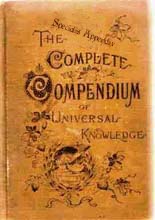
| This is NOT my Book of Days! |
 |
| A patch here, a patch there and plagiarism builds. THIS is not my book. |
Even patchwork plagiarism, which is taking bits and pieces from various places and putting them together, can be uncovered with programs such as TurnItIn which can search the internet and locate original sources for phrases and paragraphs. Even at the basic level, any professor can type in a suspicious sentence into a search box and find the location of the original text.
 |
| Forgetting to go back and paraphrasing and citing is a common student inaction that leads to plagiarism. |
The most common type of plagiarism that students do is incremental. In this type of plagiarism, information may or may not be paraphrased, but then is not cited. In this day of the internet, it is easy to copy-and-paste and even with the best intentions forget to go back and cite (or be lazy?). The internet has made information searching easier, but at the same time has concerned the scientific community because of the ease with which a person can plagiarize.

No comments:
Post a Comment